Security
We check sign-in, permissions, secrets, dependencies and who can see which data. Then we close the gaps that could leak user data before you launch.
Balanced systems. Built to scale.

MizanStack fixes and refactors AI-generated code and takes it from a working demo to production-ready. We tighten security, add tests, untangle the structure and set up deploys you can watch and roll back.
A demo shows the idea works. Real users find every weak spot. We weigh your AI-generated code against what production will throw at it, then refactor the parts that can’t carry the load. You end up with one codebase your team understands and can run.
For founders and technical leads whose product works as a demo but needs proper engineering before real users touch it.
Five places where AI-generated code tends to fall short before launch.
Enter lifts a weight. Arrows choose a hanger, Down the table. Enter places, Escape cancels.
We check sign-in, permissions, secrets, dependencies and who can see which data. Then we close the gaps that could leak user data before you launch.
We turn your key user flows, and the ways they break, into tests that run every time. You can refactor and ship knowing the product still works.
Generated code tends to sprawl. We split it into parts with clear jobs and stable interfaces. What works stays. What won’t hold the next stage gets replaced.
We measure slow pages, heavy queries and resource limits, then fix the bottlenecks that only show up once a demo meets real traffic.
We set up repeatable CI/CD, deploys you can roll back, and logs, metrics and alerts, so you know what shipped, whether it’s healthy and how to undo it.
We read the repository and watch the app run. Before we suggest any change, you get a risk register, a production-readiness baseline and a prioritised plan.
We refactor the weak parts, fix the interfaces between them and add tests. Then we check the app against the security, reliability and performance targets we agreed.
We set up deployment, rollback and monitoring, check the release with you, and hand over a system your team can run.
What each area has to pass before we call it done. We agree the scope and thresholds with you at the start.
Every engagement starts with an audit. It shows you what has to change before your demo is ready for real users.
You send a link to the repository or product, the stack and AI tools used, your launch goal and your main concern. We ask for read-only access, never write access.
We read the code, dependencies and configuration, run the app, and check what we find against the production checklist above.
You get a written report that says what to fix first and what is blocking release. It is written so you can act on it.
You choose what happens next. We can carry out the fixes ourselves, or hand the plan to your team.
When we do the work, we agree a scope first and deliver it in reviewed milestones, each with clear acceptance criteria.
It means the product passes every check in the checklist above, against thresholds we agree with you at the start.
Only where it has to be. We keep the parts that hold up and replace the ones that don’t. The audit tells you which is which, and why, before any work starts.
That’s the point. We aim for clear module boundaries, tests that run on every change and deploys anyone can repeat. We can make the fixes ourselves, or hand the plan to your team.
Any of them. Cursor, Claude, Copilot, Lovable and v0 are common, and we work the same way if you used something else or a mix.
A link to the repository or product, the stack and AI tools used, your launch goal and your main concern. The contact form asks for exactly that.
We ask for read-only access, never write access, during the audit. If you want an NDA, we sign it before we read any code. Never send passwords or keys through the form.

He weighs it. His lion guards it.
Mizan is the judge in our Arabic documentaries: a programmer who puts software and machines on the scales until the truth shows. His gold lion stands for protection, because security comes first, in every video and in every audit.
«ميزان (Mizan)» بيوزن الكلام، والأسد الدهبي بيحمي.
Watch his videosEngineering documentaries in Arabic: how software and machines really work.
Step-by-step guides that go with our videos, in English and Arabic. Written for people who are not developers.
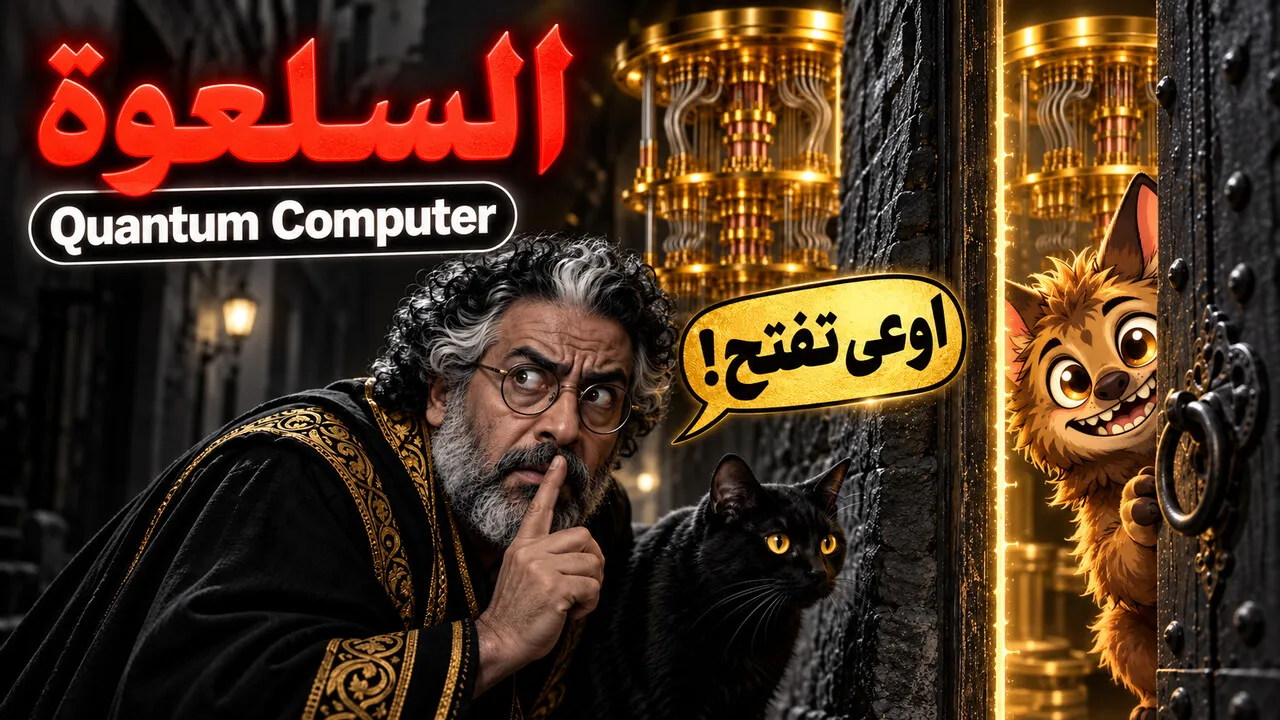
The three demos from our quantum computer and RSA video, step by step: entangle two qubits, run them on a noisy copy of a real IBM machine, and run Shor's algorithm on 15. Free, no account.

Two critical PHP bugs let attackers run code on web servers without logging in, and LiteLLM 1.107.0 stole keys. What regular users and site owners should do, step by step.

A simple guide for non-developers: run the free AI coding agent OpenCode inside a Docker Sandbox on Windows, macOS or Linux, so it only sees your project folder.
Small games we build to test ideas. Free, no sign-up, nothing to install.
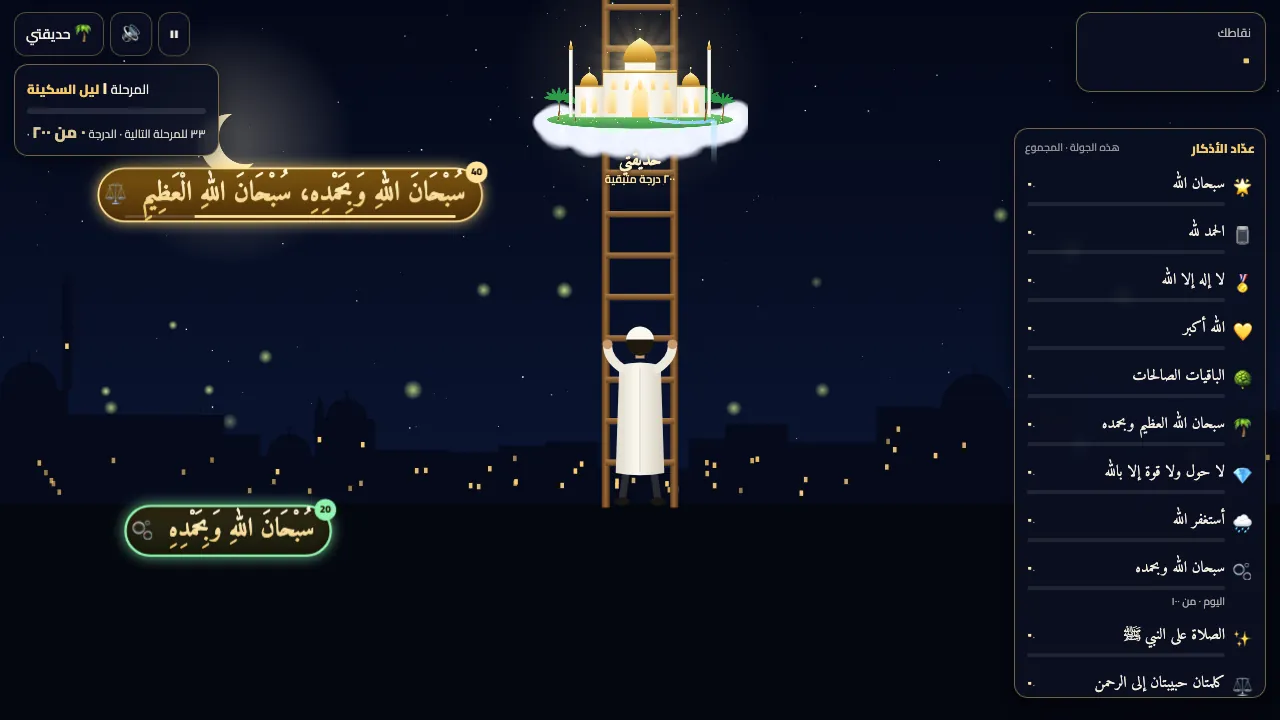
A calm reading game in Arabic: read each dhikr as it falls, then tap it to climb the ladder to your garden. Every reward comes with its hadith source.

A castle at dusk, drawn by one shader in under 100 KB. Walk or fly, shoot gold bullets, and hold off waves of bats, skeletons, werewolves and ghosts, then two bosses.
Start with a production-readiness audit. You’ll see what is blocking release, which risks remain and how much work is left.
Or write to contact@mizanstack.com
Need an NDA first? Say so in your message and we will sign it before we read any code.